Laser Pre-Cleaning to Solve Oxidation Defects in Precision Spot Welding

In the spot welding processing of precision small hardware and electronic terminals, ultra-thin oxide layers and processing oil stains on workpieces are nearly invisible. Yet they frequently lead to cold solder joints, unstable conductivity and high rework rates. Traditional pretreatment methods have obvious drawbacks:
Manual polishing cannot clean narrow gaps and tiny edges thoroughly, and polishing debris tends to remain on the surface;
Chemical degreasing and derusting requires waste liquid treatment, and chemical agents may corrode ultra-thin workpieces;
Sandblasting reduces the wall thickness of precision parts and leaves abrasive impurities behind.
Based on actual production cases, fiber laser cleaning brings notable advantages as pre-weld treatment:
The laser spot acts precisely on contaminants only without scratching base metal. Power parameters can be adjusted for copper, stainless steel and aluminum parts to avoid burning thin workpieces;
It fits mass production effectively and cuts labor cost from repeated manual polishing;
No chemical consumables are used during processing, which meets industrial environmental protection standards.
Field tests from multiple processing factories prove that applying laser cleaning before spot welding can greatly reduce welding defects for miniature hardware, electronic terminals and mold repair welding.
I would like to communicate with peers: what methods do you usually use to remove workpiece oxidation before welding? If you have tried laser pretreatment, what practical problems have you encountered in actual operation?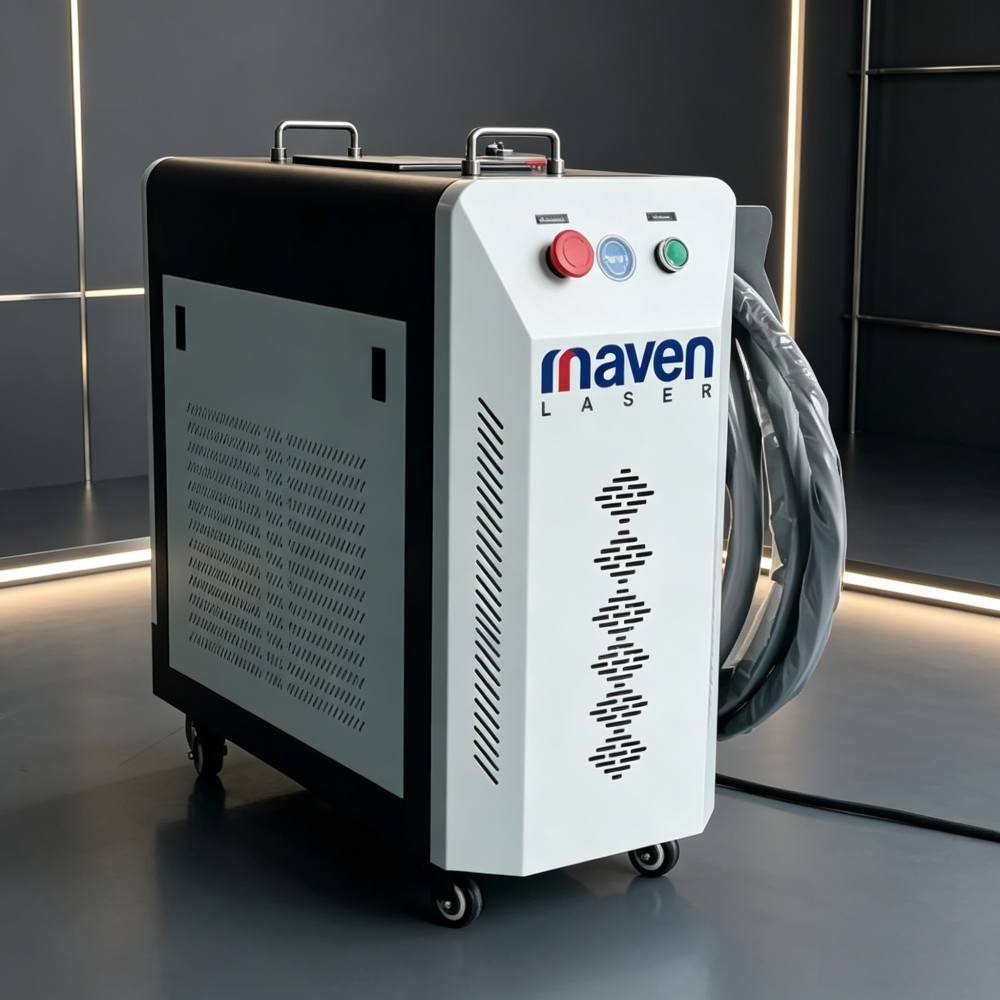

O que você acha desta publicação? Compartilhe sua opinião nos comentários.