What are laser cutting accuracy and tolerance?

Laser cutting accuracy measures the consistency between the actual cutting contour and the digital design drawing, while tolerance defines the allowable deviation range within which this consistency performance is accepted. Both are core indicators of quality control. Only by limiting the dual parameters of precision and tolerance within a reasonable range can we ensure the qualification of finished products and guarantee the stable connection of subsequent production processes.
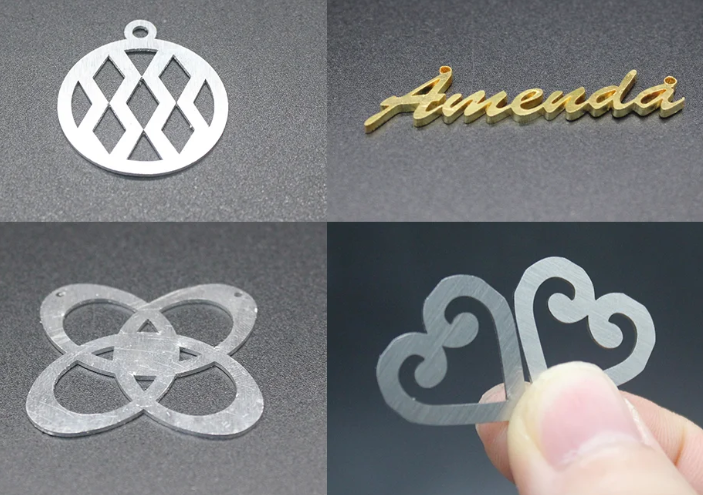
Types of Lasers for Cutting
Different types of lasers can provide varying levels of precision, depending on the materials you work with and your specific cutting needs.
CO2 Lasers
CO2 lasers are useful for cutting non-metal materials, such as wood, acrylic, and fabric. They operate at a 10.6 micrometer wavelength to provide clean cuts and smooth edges. You can get precision with tolerances around ±0.1-0.2mm for most tasks. These lasers are very helpful for creative and non-metal projects.
Diode-Pumped Solid-State (DPSS) Lasers
DPSS lasers are made for high-precision work with dependable outcomes. They are useful for tasks that need regular results and precise cuts. These lasers work like fiber lasers with limits between ±0.025mm and 0.1mm. They can be useful in tough situations where precision is important.
Fiber Lasers
You can use fiber lasers to cut metals like steel, aluminum, and copper alloys. They are very precise and useful, and they work at a frequency of 1.06 micrometers. This can range from ±0.025mm to 0.1mm, depending on the size of the material being worked with.
Key Components for Achieving Precision
Laser Source
The directed light beam comes from this point, and the material melts and gets cut. This beam’s quality affects how clean and straight your cuts are.
Beam Delivery System
The mirrors and lenses in this device direct the laser beam to the cutting area. The beam stays strong and even as long as it is properly aligned.
Cutting Head
That is where the tube and focusing lens are placed. The shape of the cutting head impacts how well the laser focuses and how smoothly the gas moves through it.
Assist Gas System
It sends compressed gas to remove the molten material and protect the lens. The flow rate and gas pressure can also affect the smoothness of your cuts.
Factors Affecting Laser Cutting Precision
Material Properties
The thickness, melting point, and heat conductivity of your material can all have a direct effect on the quality of your cuts. Copper and other materials that conduct heat well require more power and slower cutting speeds to achieve accurate results. Reflective materials can scatter the laser beam, resulting in a less accurate cutting process.
Laser Parameters
Setting parameters such as laser power, pulse frequency, and beam focus are crucial for the quality of your cuts. Although higher power may allow you to cut more quickly, it can also lower precision by making some areas hotter. Carefully set the beam focus to maintain a consistent position throughout the cutting depth, ensuring accuracy.
Cutting Speed
Both production and quality are affected by how fast you cut. Speeding up may save time, but it can hurt the accuracy and quality of your edges. Managing heat and disposing of materials properly is easier when speeds are slower. Adjust your speed to meet both output and quality goals.
Assist Gases
The level of the cut and the finish can be changed by the assist gas you use. Oxygen speeds up the cutting of steel, but it can leave areas that are oxidized. Nitrogen allows you to make clean cuts that do not oxidize and leave smooth edges. For simple tasks, compressed air is a cheaper choice that still provides good precision.
Achieving High Precision Laser Cutting
Machine Calibration
To maintain accurate cutting over time, calibrate your machine regularly. Ensure that the focal point, beam alignment, and motor parts are all in the correct position every week. Ensuring that your laser’s output remains consistent can also help maintain the high quality of your cuts. Temperature compensation systems can help you deal with machine parts that expand and contract with changes in temperature, ensuring your placement remains accurate during production.
Advanced Laser Systems
Utilizing high-tech laser tools can significantly enhance the accuracy of your cutting process. Some of the features that come with these systems are adaptable beam control, real-time power checks, and automatic focus adjustments. They help you deal with materials that change and ensure that the products remain consistent. Closed-loop feedback systems are also useful because they detect placement mistakes and correct them during the cutting process. If you want to make any part, these high-tech tools will help you get better results every time.
Environmental Controls
You can obtain more accurate results if you can control the area where your laser system is operated. If you maintain the temperature and humidity at the correct levels, your materials will not expand, and your machine parts will remain stationary. Vibration isolation devices also eliminate external movements that could alter the beam’s position. Clean air systems are also important because they prevent dust and dirt from contaminating optical parts. This maintains the high quality of your laser beam throughout every production run.
Standard Tolerance Ranges for Metals and Non-Metals
Metals
Steel and aluminum can achieve tolerances between ±0.025mm and ±0.1mm depending on material thickness. Thinner materials allow you to meet tighter tolerances, while thicker sections need looser specifications.
Non-Metals
The tolerances for plastics, wood, and composites are generally between ±0.1mm and ±0.2mm. The precision of your cuts depends on factors such as the material’s thermal properties and its response to heat.
Tolerances in Laser Cut Features
Hole Tolerances
Smaller holes can be cut with greater accuracy than larger ones. For the best results, ensure the hole’s width is larger than the thickness of the material. In some cases, thicker materials may change the form of the holes because the laser beam naturally tapers.
Edge Quality
The smoothness of the lines will depend on how fast you cut and what you are cutting. When you use the right settings, you can get clean, smooth edges that fit well in precise arrangements. Faster speeds can leave rougher edges.
Geometric Accuracy
The speed and movement of the laser significantly impact the sharpness of the corners and the overall accuracy of the shapes. Slower speeds or unique cutting methods may be necessary to maintain precision if you need sharp corners.

Wat vind je van dit bericht? Deel je mening in de reacties.