Techniques for extending the lifespan of fiber laser cutting machines

Which components of the laser cutting machine require regular maintenance?
In laser cutting, multiple components work together to ensure cutting accuracy. Multiple components are also crucial during maintenance.
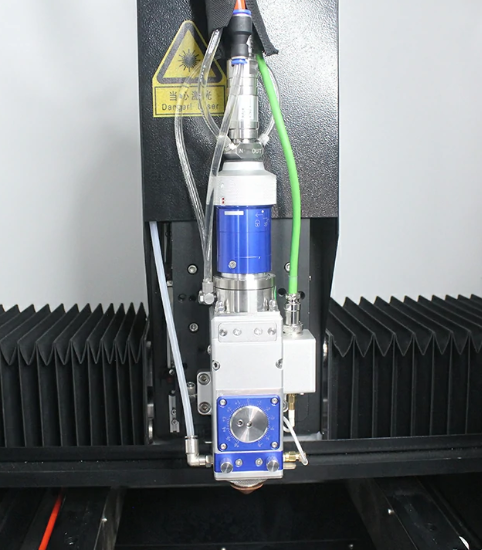
Firstly, there is the laser lens. The focusing lens and lens must be thoroughly cleaned. If not cleaned regularly, the dirt on it will interfere with the normal transmission of the laser beam.
Next are guide rails and linear tracks. To ensure their smooth operation, regular lubrication is necessary.
The cooling and air-assist systems are also important parts of maintenance. The cooling system typically protects your device from overheating. If it is a water-cooled system, you will need to replace the water regularly. The assist gas, on the other hand, keeps the cutting area clean by blowing away molten material, smoke, or debris. The air-assist gas needs to be dry and clean.
The exhaust system is another important part of the system. It collects hazardous fumes and fine metal dust from the workspace. If the exhaust system is faulty, electrical cabinets may accumulate dust over time.
Ignoring all these crucial parts can result in expensive repair bills. Laser cutter maintenance and the simple habit of cleaning can save hours of frustration later. Taking a few minutes for a routine check-up and basic care may stop tomorrow’s machine failure.
How to Maintain a Laser Cutting Machine?
Keeping a laser cutting machine in good condition is not difficult. A few simple maintenance tasks are typically enough to cover 70% of the total care. The remaining tasks might be tricky, as they involve the laser source, lenses, and other technical components. If you regularly perform these tasks, you can ensure 100% consistent cutting quality and a longer lifespan.
Keep the Machine Clean
Dust, dirt, and other debris can degrade your machine’s performance. For this reason, you need to clean it daily and inspect for dust. Make sure the worktable is free from metal dust slag. You could use some regular clothes. Or, you can also vacuum the interior to remove fine dust.
Clean the Optical Components Carefully
Dust grows rapidly inside the optical system. It can block the laser beam and alter the focal length, potentially causing material damage. So, it is necessary to clean it regularly.
However, this component is very sensitive and easily gets scratches. Therefore, follow the manufacturer’s recommended cleaning guidelines. In general, you could use isopropyl alcohol with a fine cloth. Be gentle and use circular motions for better cleaning results.
Maintain the Nozzle and Air Assist System
Clean the nozzle and ensure there is no blockage. Always check the air pressure before starting the cutting process. Inspect the nozzle for moisture and oils. A clogged nozzle affects the beam quality. Regular checks and keeping it clean ensure even and sharp cuts.
Take Care of the Cooling System
The cooling system is an essential part of a laser cutter. Without it, the machine may show anomalies and part failures. Therefore, check the coolant level very often. Change the cooling water after every two months of use. Make sure the water used is distilled.
Lubricant Moving Parts
Lubricants are crucial for decreasing friction. Friction gradually wears down the guide rails, reducing positioning precision. Apply fresh oil and grease to the tracks. Using fresh oil or grease, ensure the laser head moves smoothly without jerks or bending.
Check machine Alignment
Check the machine alignment regularly. Also, verify the optical alignment.
Misalignment can result in weak, unsuitable cuts on the material surface. Apply the tape test method for optical paths. Check the motion of both axes and keep it precise for smooth cuts.
Inspect Wear Parts
Damaged or partially damaged parts degrade cutting quality. Check the parts carefully. Look for visible cracks or damage on the lens and optical systems. Inspect your drive belts for cracks. Replace filters or worn parts to prevent any breakdowns.
Keep the Software Up to Date
Update the software and firmware to the latest version. The newer version comes with higher cutting efficiency and fewer or no bugs. Before updating, always back up your settings parameters to avoid losing them after every update.
Laser Cutter Maintenance Schedule
There are various types of laser cutter maintenance tasks. Each is performed in a specific period of time. Some tasks should be done every day, while others only need attention weekly, monthly, or yearly. You can prepare a simple route for these maintenance tasks.
Daily Maintenance
Your daily laser cutter maintenance should include a few steps. The initial step is to clean the workbench of any dust or slag. Then, check the coolant level to see whether it is working properly. Make sure it controls heat efficiently and avoids overheating. Inspect the beam nozzle and use accurate air-assist gas pressure. Look closely for damaged parts or cracks.
Weekly Maintenance
For weekly laser cutter maintenance, clean the focusing mirror and lens with isopropyl alcohol. Blow out the moisture from your air compressor filter. Test your laser cutter service to check power output. Also, check the control panel for error messages and unresolved alarms.
Monthly Maintenance
Check the coolant level and replace the distilled water entirely with fresh distilled water. Besides, wipe down the rails thoroughly and apply new lubricants or grease to the rails and bearings. Check all the electrical connections and power down the system. Don’t forget to clean the exhaust fan and run a test cut to calibrate the laser beam.
Yearly Maintenance
Perform a broader, top-to-bottom inspection of the machine chassis. Replace all worn parts, such as filters, drive belts, seals, and others, as needed. Conduct a professional calibration for a long-term motion test and maintain its accuracy. Perform preventive maintenance to keep your laser cutter operating at peak efficiency.
Beyond hardware maintenance, the quality of your cutting outcomes also depends on the design files you use. Whether you are a hobbyist or a professional fabricator, having access to well-designed, ready-to-use project templates can save you significant time and effort. For a wide selection of high-quality vector files for laser cutting, Chanelink offers an extensive library of patterns and templates suitable for various materials and applications—making it easier to bring your creative ideas to life with precision and efficiency.

Cosa ne pensi di questo post? Condividi la tua opinione nei commenti.